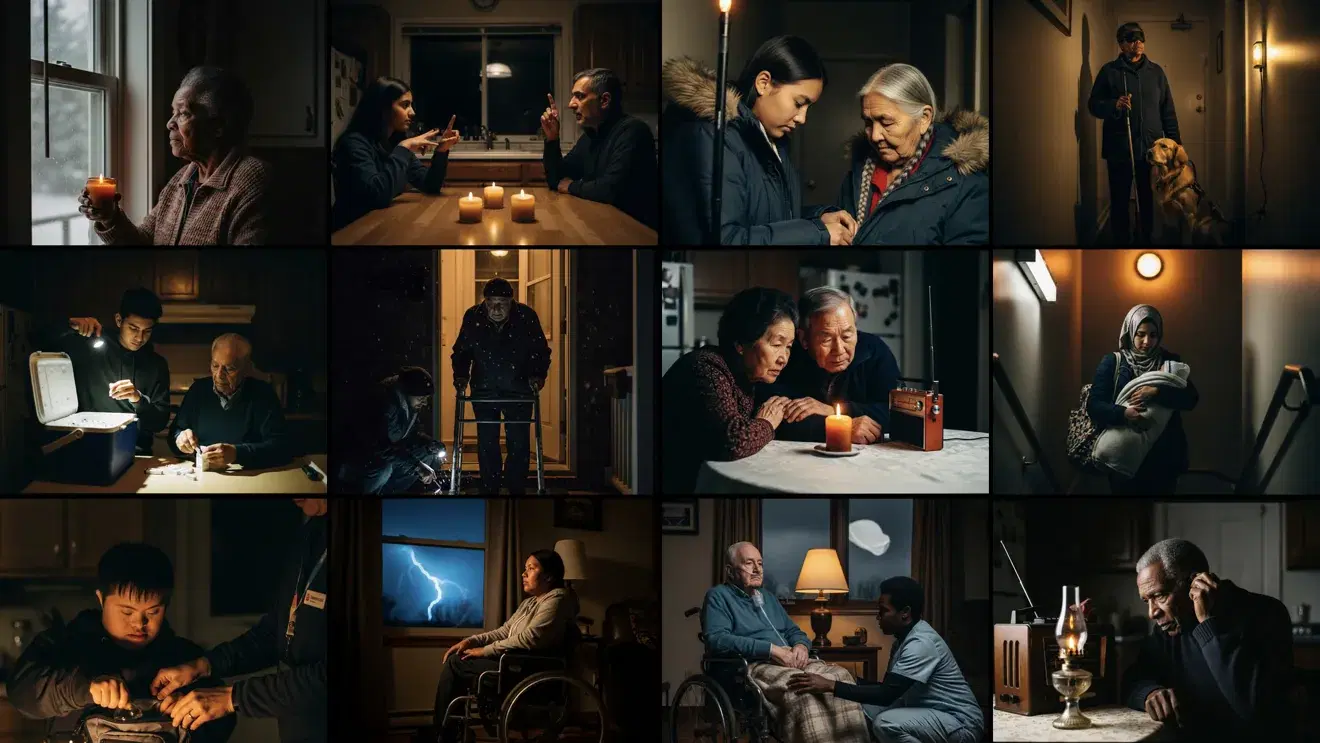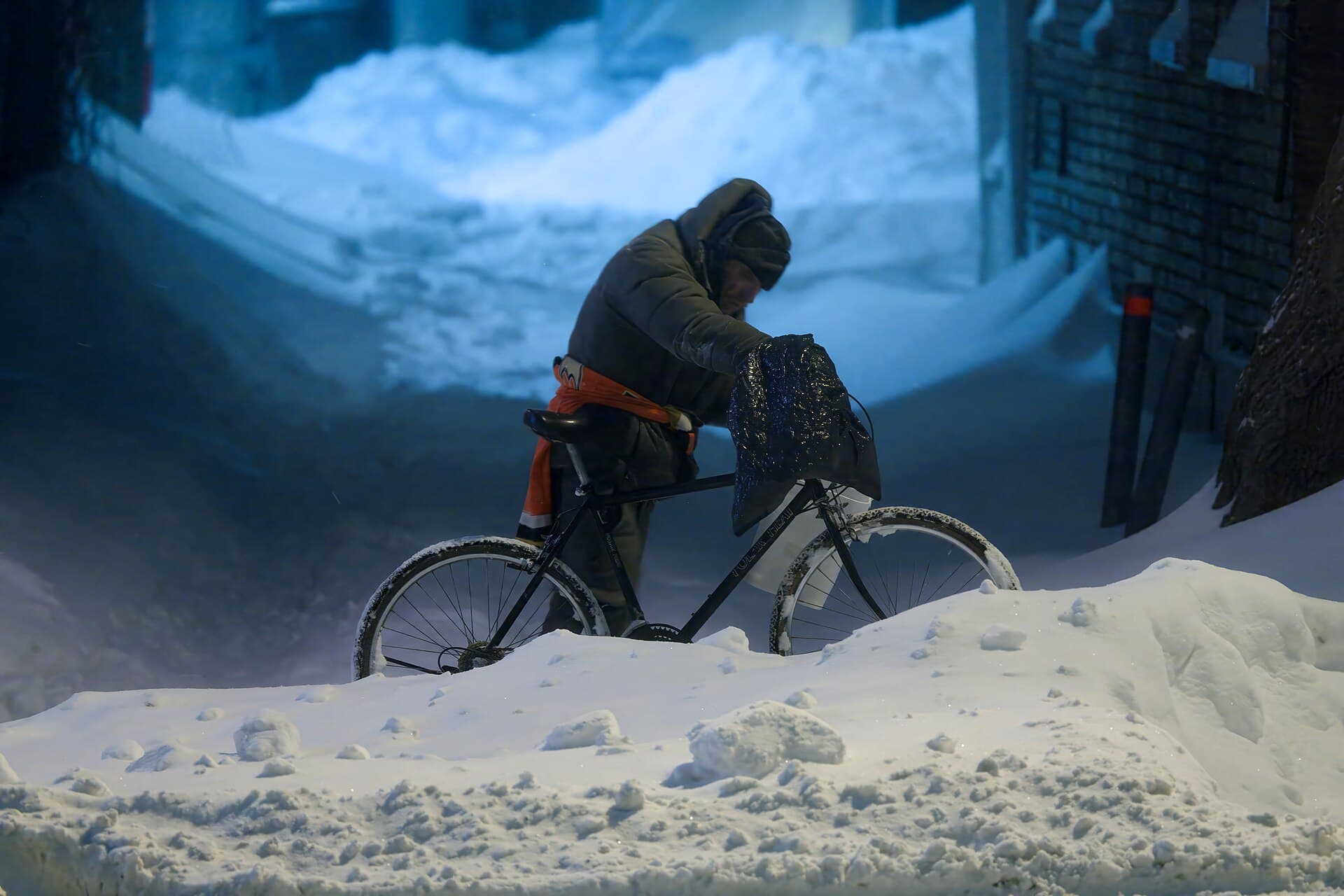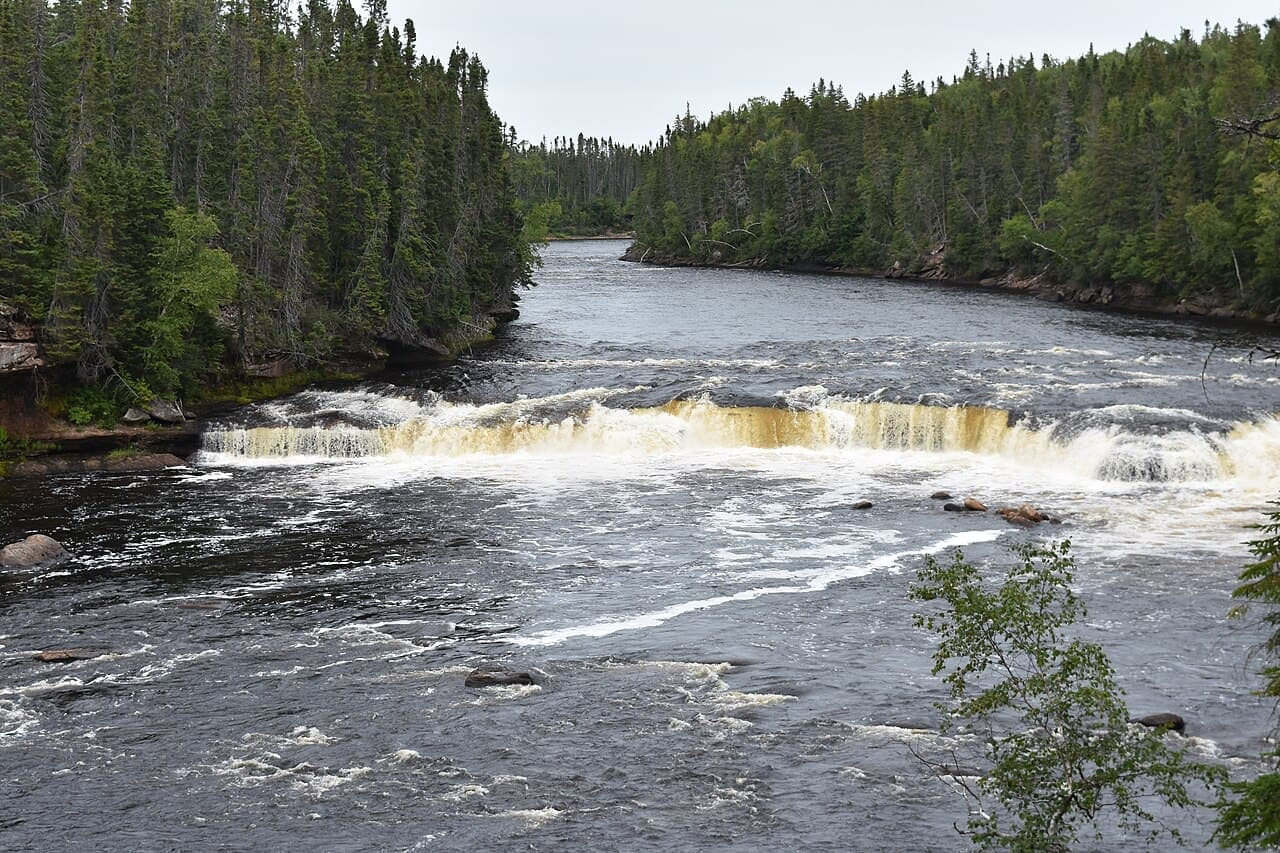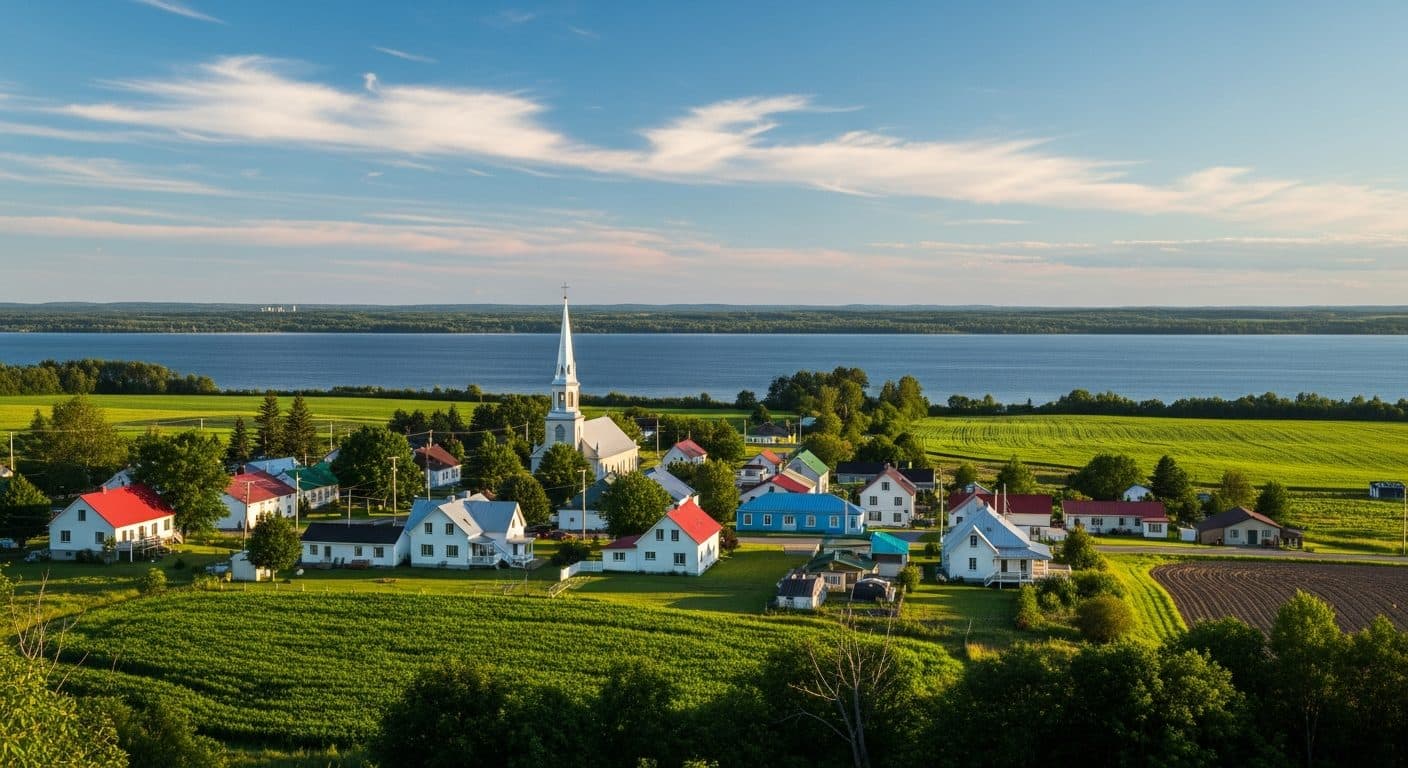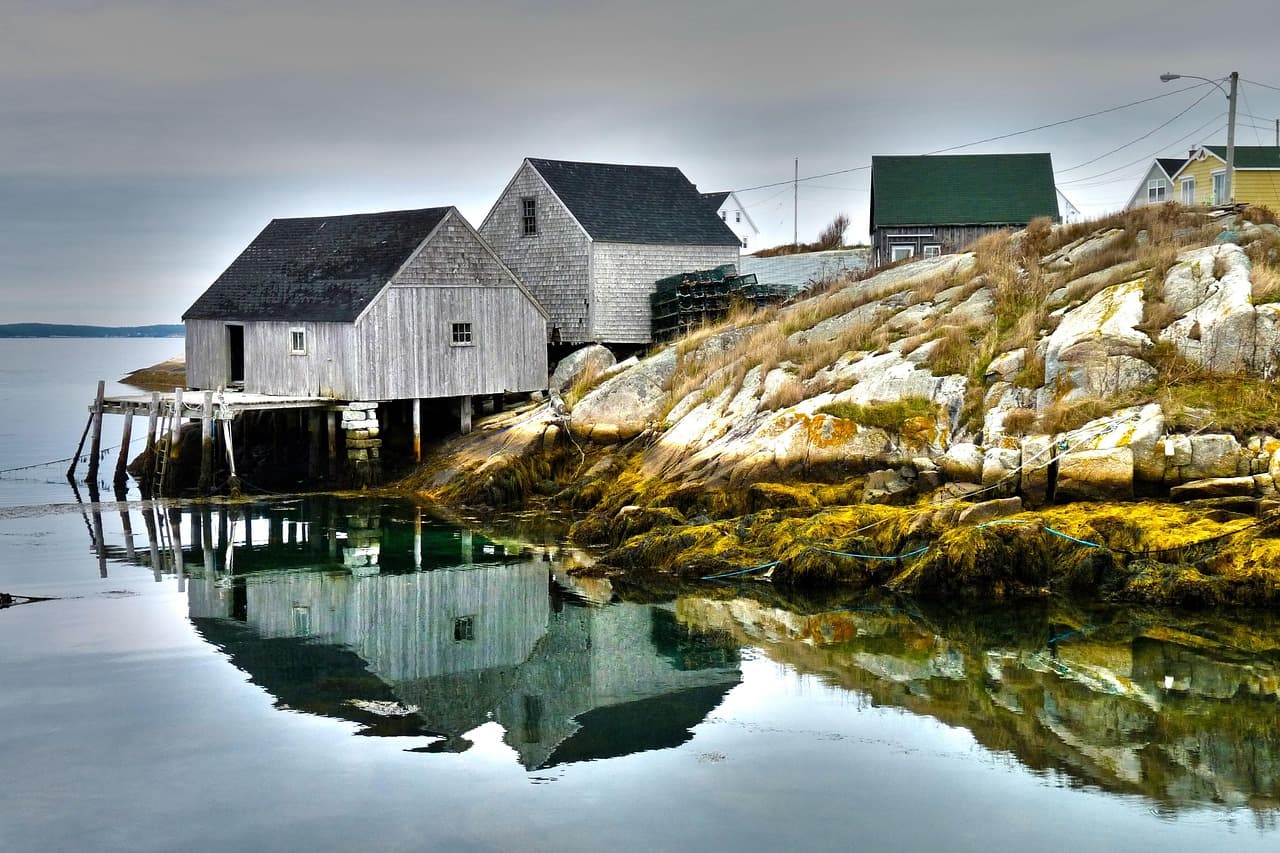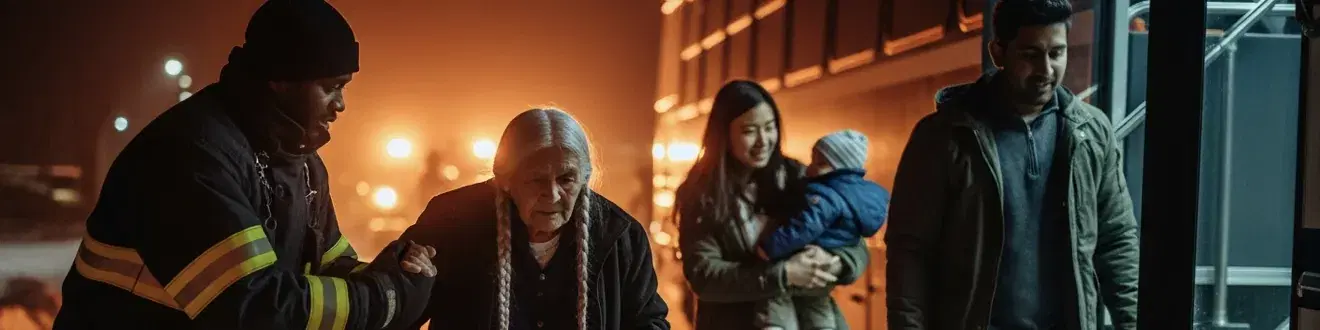

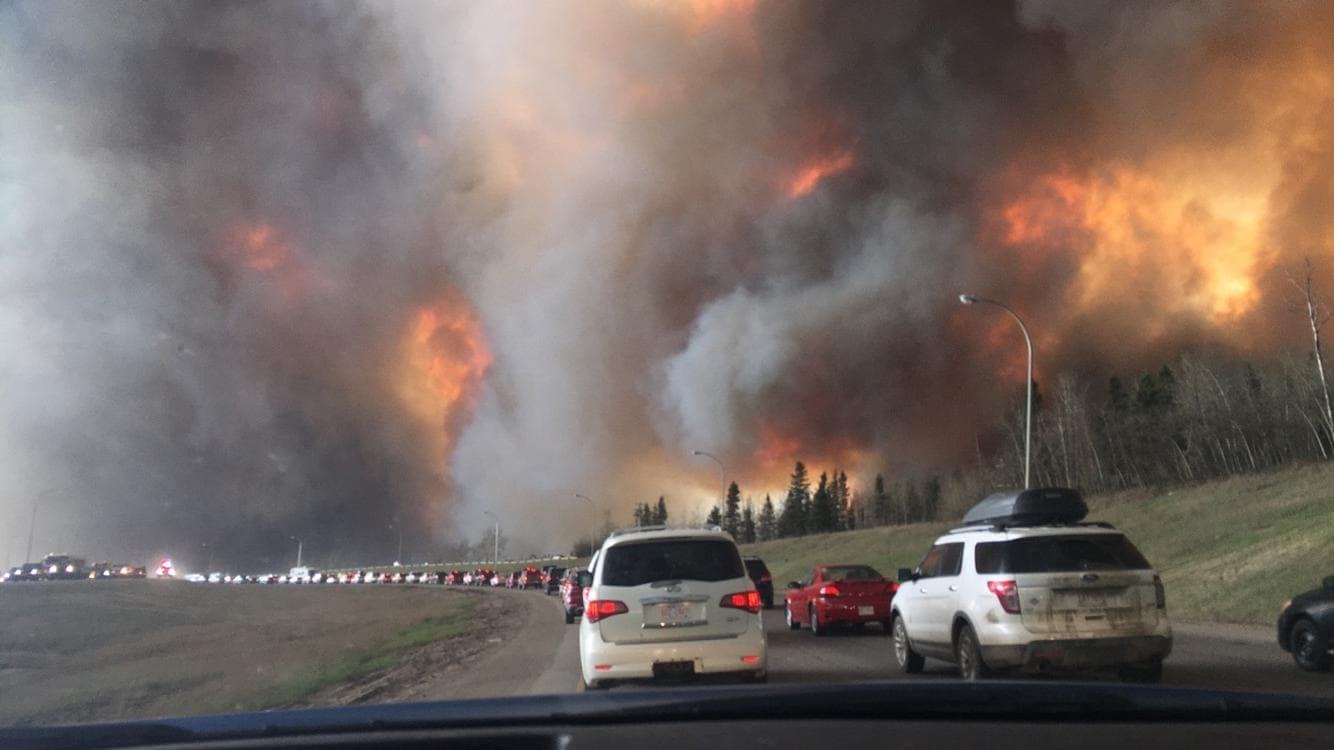
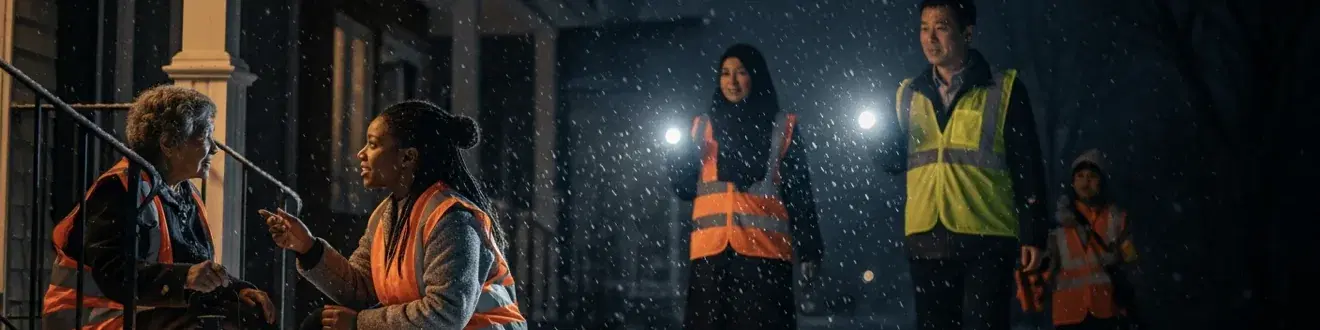
She is eighty-two. She lives where the gravel runs out. The nearest neighbour is half a kilometre through the woods. Her son works in Fort McMurray. Her daughter is in St. John’s with kids of her own.
When the smoke comes, she does not call 9-1-1. She checks the wind and waits for someone to come up the lane. That is how it has always worked here. Quiet, capable, alone.
CIVIC by GNOSIS does not change that woman. It changes who knows where she is.
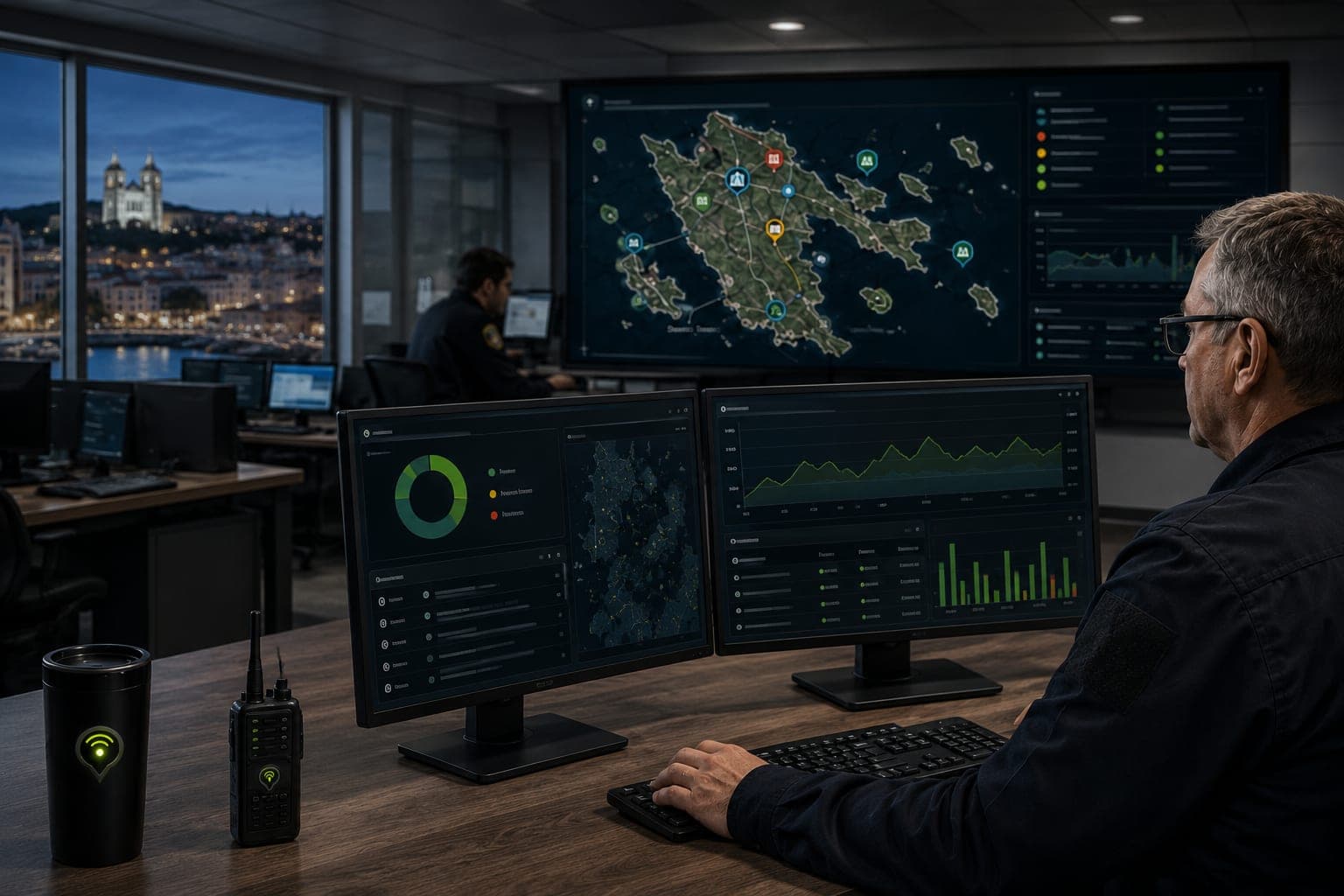
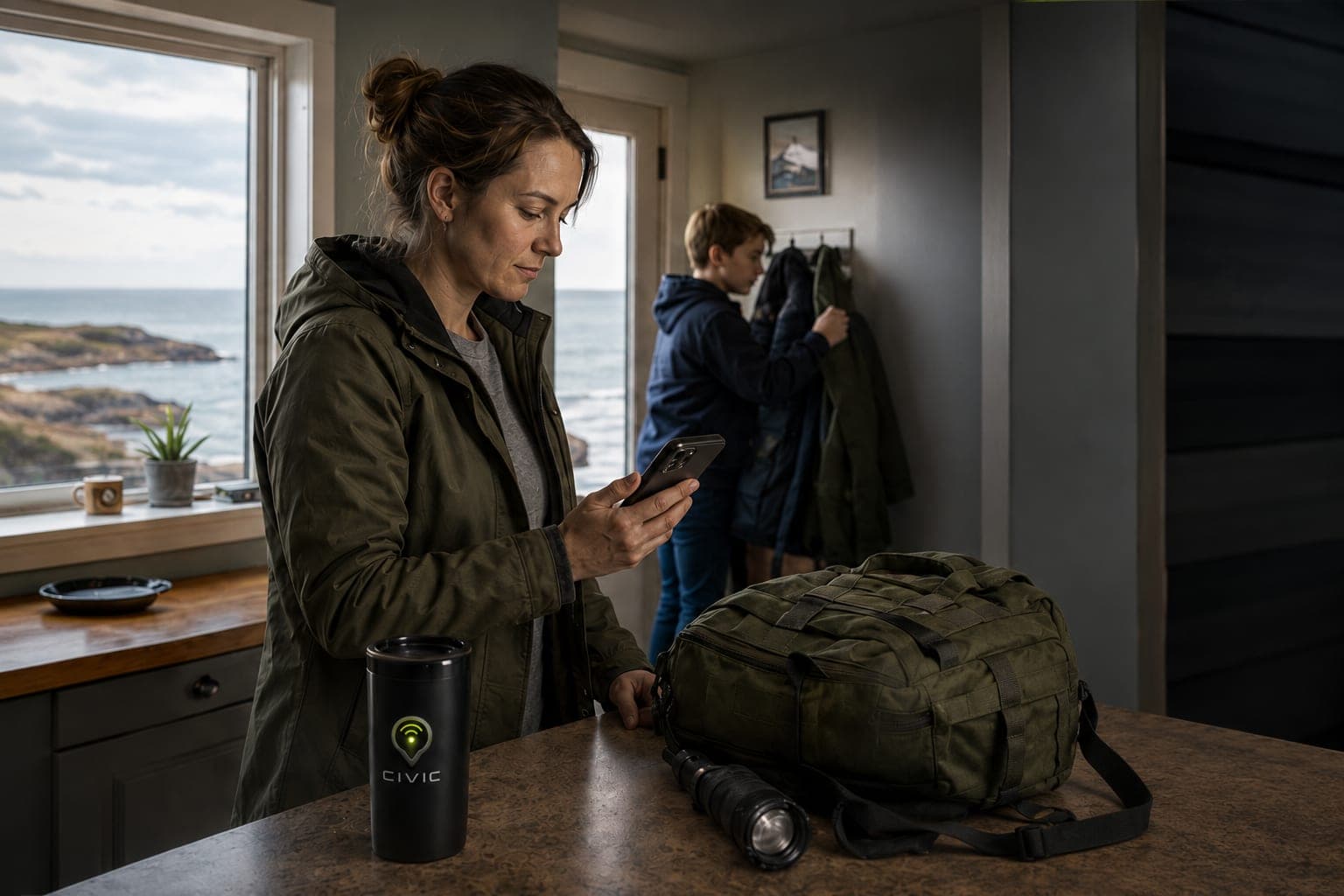
One tap from her phone tells her neighbour she is fine. If she does not tap, the neighbour comes up the lane. If the neighbour cannot get up the lane, the EOC knows by name, by address, by what she needs — the oxygen, the mobility, the propane tank that should not be near a fire. And her son in Fort Mac gets the one thing he can’t get from a thousand kilometres away on his own — peace of mind that his mother is okay.
That is the part of the work that has nothing to do with technology. It is who we already are. We are just giving it a record.
Why it must be built here. Why it has to be us.
Most disaster software was built for a city that has never lost the lights.
It assumes a signal. It assumes a sidewalk. It assumes you live within shouting distance of a hospital. We don’t.
We live at the end of a road that the grader hasn’t been down since November. Half the houses on the lane heat with a wood stove. The boreal forest comes right up to the back fence. The cell tower is a half-hour drive away. A tool for this place has to start from this place.
Offline-first because we have to be. Plain English because the binder on the shelf wasn’t. Free because the people who live here should not have to pay to be looked after.